For search and research, Perplexity is usually the better pick because it runs a live web search on every question and cites its sources inline, so you can verify each claim in one click. ChatGPT is the better all-rounder for writing, brainstorming, coding help, and long conversations, and it can search the web too — but sourcing isn’t as front-and-center. Think of it this way: Perplexity is a research engine that answers in prose; ChatGPT is a conversation partner that can also look things up. If your main job is finding and verifying facts, use Perplexity. If it’s creating, drafting, or thinking out loud, use ChatGPT. Many people use both.
“Which is better, ChatGPT or Perplexity?” is the wrong question — they’re built for different jobs. The right question is “better for what?” This comparison tests them on the tasks you actually do, so you know which to open for a given problem.
The core difference in one line
Perplexity is search-first. ChatGPT is conversation-first.
Perplexity was designed as an “answer engine”: every query triggers a web search, and the answer comes with numbered citations you can click. ChatGPT was designed as a general assistant; it can search the web, but its default strength is generating and refining text from what it already knows.
That single distinction explains almost every difference below.
Head-to-head by task
Here’s how they compare on the jobs people actually use them for.
| Task | Better pick | Why |
|---|---|---|
| Researching a topic | Perplexity | Live sources cited inline; easy to verify |
| Current events / recent facts | Perplexity | Searches the web by default, every time |
| Writing & editing | ChatGPT | Stronger at drafting, tone, long-form |
| Brainstorming | ChatGPT | Better at open-ended, creative back-and-forth |
| Quick factual question | Perplexity | Fast, sourced, no fluff |
| Long conversation / follow-ups | ChatGPT | Holds context and personality better |
| Coding help | ChatGPT | More capable at generating and explaining code |
When Perplexity wins
Reach for Perplexity whenever the answer needs to be true and checkable.
- Research. Ask “What are the main criticisms of the four-day workweek?” and you get a synthesized answer with links to each source, so you can read further and confirm.
- Recent events. Because it searches every time, it’s less likely to be stuck on outdated training data.
- Shopping and comparisons. “Compare the top standing desks under $400” returns sourced, current information rather than a confident guess.
The inline citations are the real advantage. They turn verification — normally the tedious part covered in how to fact-check AI — into a one-click step. You still click, but the source is right there.
When ChatGPT wins
Reach for ChatGPT whenever you’re creating rather than finding.
- Writing. Drafting an email, a cover letter, a report, a story — ChatGPT is stronger at tone, structure, and revision. See how to use AI to write emails.
- Brainstorming and thinking. It’s more willing to riff, roleplay, and explore open-ended prompts.
- Long, evolving conversations. It holds context across many turns better, which matters when you’re iterating on something.
- Coding. It generates, explains, and debugs code more capably.
If you’re new to it, our how to use ChatGPT guide covers the basics.
Accuracy: the honest comparison
Perplexity’s live-source model makes it less prone to hallucination on current facts, because it’s summarizing pages it just read rather than recalling from memory. That’s a real edge for research.
But “cites a source” is not the same as “the source is good.” Perplexity can cite a weak blog or misread a page. And ChatGPT, in its search mode, closes much of the gap. The safe rule for both: click the citations and confirm the source actually says what the AI claims. Neither tool removes your responsibility to verify.
Three real examples, side by side
Abstract comparisons only get you so far. Here’s how each tool actually behaves on the same questions.
“What are the health effects of intermittent fasting?” Perplexity returns a structured answer with citations to health sites and studies, so you can click through to the evidence. ChatGPT gives a fluent, well-organized explanation from memory — clear, but with no link to confirm it’s current. For a health question, the sourced version wins because you can check it.
“Help me write a follow-up email after a job interview.” ChatGPT drafts a warm, tailored email, asks what tone you want, and revises on request. Perplexity can produce a draft too, but it’s built to answer questions, not to iterate on your writing across several turns. ChatGPT wins.
“What’s the best budget laptop right now?” Perplexity searches current reviews and cites them, so the recommendation reflects models actually on sale today. ChatGPT may name last year’s models from its training data unless it searches. For anything time-sensitive, Perplexity’s live search is the safer default.
The pattern holds across almost every task: if the answer changes over time or needs proof, Perplexity; if the answer is something you’re building, ChatGPT.
Interface and experience
The tools also feel different to use. Perplexity looks like a search engine that writes paragraphs — you type a question, get a sourced answer, and see suggested follow-up questions. It nudges you toward researching a topic in a branching, exploratory way.
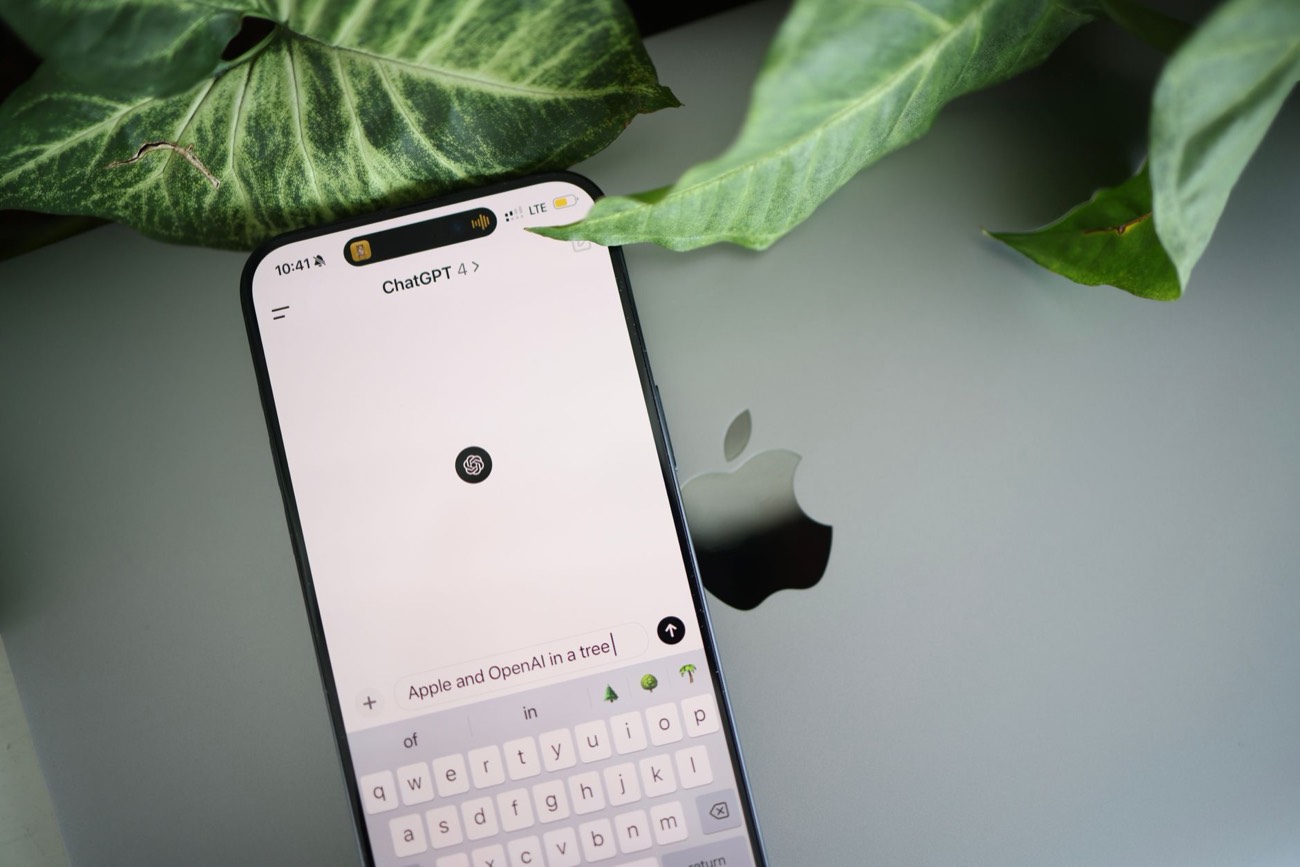
ChatGPT looks and feels like a messaging app. That framing invites conversation: you draft, react, refine, and build on earlier replies. It also remembers context within a chat more comfortably, which is why long, evolving tasks feel smoother there.
Neither interface is better in the abstract. They’re shaped around their core job — search versus conversation — and the experience reinforces which tasks each is built for.
Price and access
Both have free tiers that cover most everyday use. Paid plans (roughly $20/month each) add more capable models, higher limits, and extra features. For basic sourced answers, Perplexity’s free tier is genuinely enough; for heavy writing or the newest models, ChatGPT’s paid plan earns its keep.
A simple decision guide
If you want a rule you can apply in the moment, ask yourself one question: am I finding or making?
| If your question is... | Open... |
|---|---|
| "What is / who is / how much / is it true that..." | Perplexity |
| "Write me / draft / rewrite / brainstorm..." | ChatGPT |
| "What's the latest on / current price of..." | Perplexity |
| "Help me think through / plan / explain to me..." | ChatGPT |
| "Compare these options with sources..." | Perplexity |
| "Keep going / make it funnier / try again..." | ChatGPT |
Notice the split: verbs of retrieval point to Perplexity, verbs of creation point to ChatGPT. That single distinction resolves most “which one” moments faster than any feature list.
What about Gemini and Claude?
Perplexity and ChatGPT aren’t the only players. Google’s Gemini also searches the web and is tightly tied to Google’s ecosystem, making it a natural third option — and it’s strong on current information. Anthropic’s Claude is excellent at long documents and careful writing, closer to ChatGPT’s lane than Perplexity’s.
If you’re mapping the whole field, the honest summary is: Perplexity owns search, ChatGPT and Claude own creation and conversation, and Gemini straddles both with a Google tilt. For a fuller look at the conversational tools, see ChatGPT vs Gemini.
So which should you use?
You don’t have to choose. The practical answer for most people:
- Open Perplexity to find, research, and verify.
- Open ChatGPT to write, brainstorm, and iterate.
If you only want one, pick based on your dominant task. Researchers, students, and analysts lean Perplexity. Writers, marketers, and generalists lean ChatGPT. For a broader comparison of the big chatbots, see ChatGPT vs Gemini, and for free options across the board, the best free AI tools.